Choosing between Kenya and South Africa is one of the most common questions Touring Insights hears from readers planning a trip of a lifetime. Both countries deliver excellent Big Five wildlife, but they get you there differently, cost differently, and suit different comfort levels. This guide lays out real distances, fees, and trade-offs so you can decide with confidence instead of guesswork.
Neither country is the wrong choice. The right one depends on how much time you have, how you feel about malaria tablets, and whether you would rather be driven everywhere or take the wheel yourself.
Masai Mara vs Kruger: How the Flagship Reserves Compare
Kenya’s signature reserve is the Masai Mara, a 1,510 km2 grassland reserve within a much larger 25,000 km2 ecosystem once you count the neighboring conservancies. It is known for open plains, dense predator sightings, and the annual wildebeest migration.
South Africa’s flagship is Kruger National Park, covering 19,485 km2, more than 12 times the size of the Mara reserve itself. Kruger’s scale means longer drives between sightings on some days, but it also supports a well-managed road network and rest camp system built up over nearly a century.
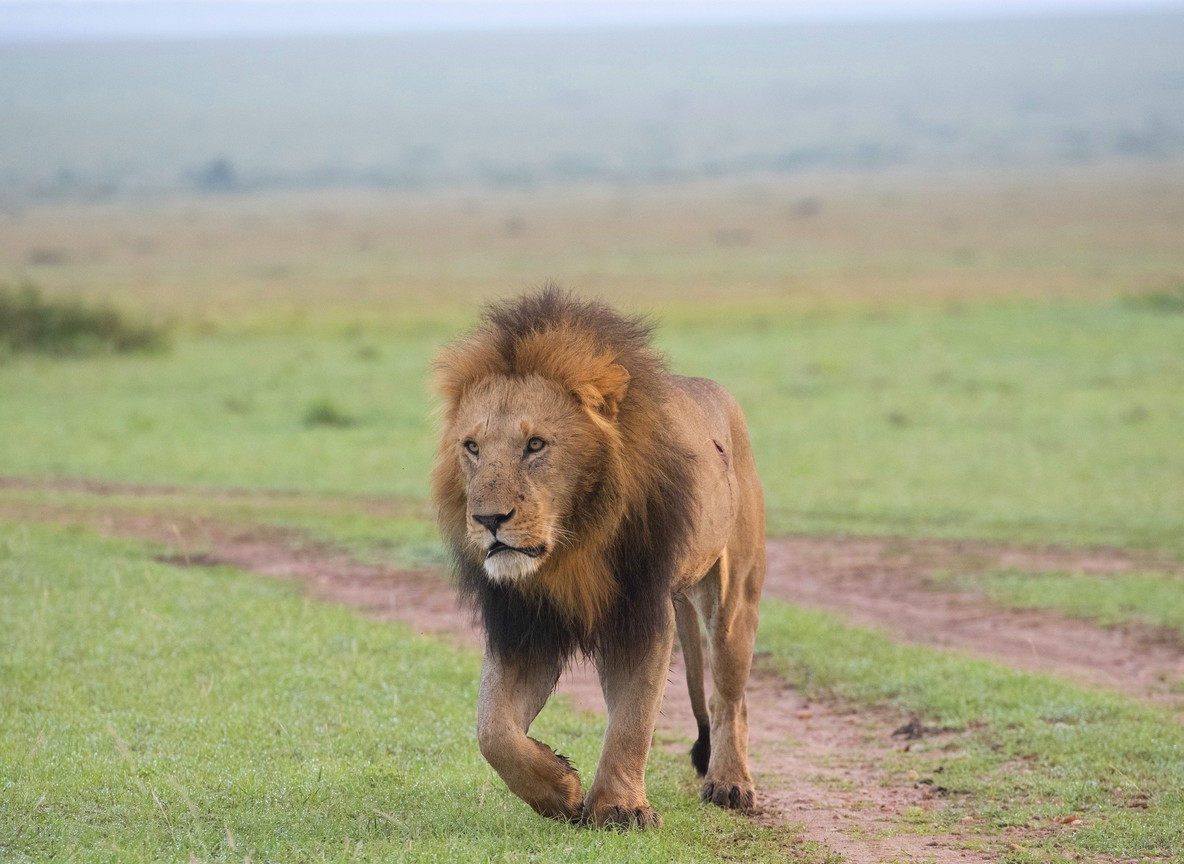
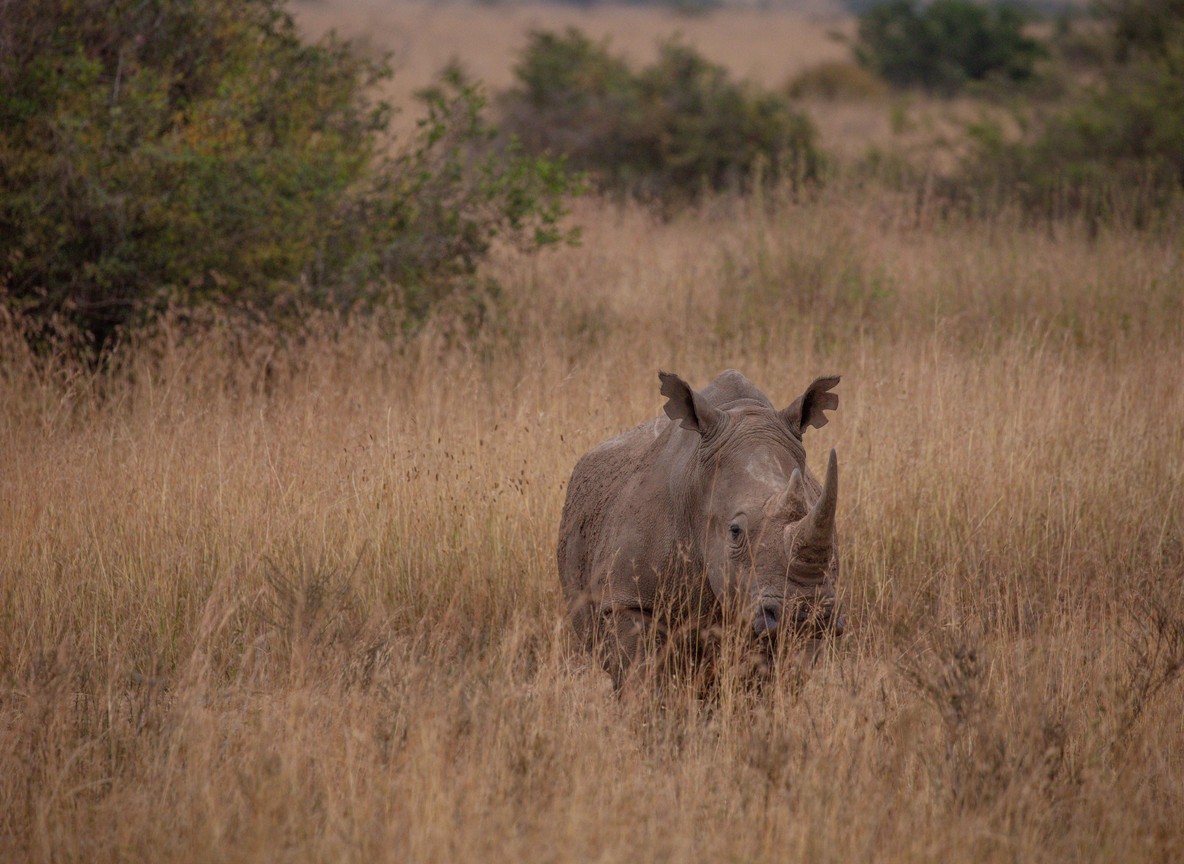
Both reserves hold the Big Five: lion, leopard, elephant, buffalo, and rhino. Conservancies bordering the Mara, such as Naboisho and Mara North, add night drives and off-road viewing that the core reserve restricts. Private reserves next to Kruger, especially Sabi Sands, offer the same freedoms and are known for close, patient leopard sightings.
Getting There: Flights, Airports, and Road Transfers
Kenya’s safari circuit runs through Jomo Kenyatta International Airport (JKIA) in Nairobi, with onward domestic flights leaving from Wilson Airport. A flight from Wilson to a Mara airstrip, such as Keekorok or Musiara, takes about 45 minutes. Driving instead covers roughly 270 km and takes 5-6 hours over a mix of paved and rough road.
South Africa’s main gateway is OR Tambo International Airport in Johannesburg. From there, a flight to Skukuza or Hoedspruit airport near Kruger takes about an hour. The road route to Kruger’s Paul Kruger Gate covers approximately 430 km and takes 5-6 hours, mostly on well-maintained highway.
Travelers who prefer to sit back and let someone else manage transfers will find both routes comfortable. South Africa’s roads tend to stay smoother for longer stretches, which helps if you would rather avoid a bumpy final approach after a long-haul flight.
Visa Rules and Long-Haul Flight Times Worth Knowing
Kenya requires most visitors to apply for an Electronic Travel Authorization before arrival, with an indicative fee of around $30 USD and approval typically arriving within a few days. South Africa allows many passport holders, including US, UK, and most EU travelers, to enter visa-free for stays of up to 90 days. Rules vary by nationality, so confirm the details before booking.
Long-haul flight time matters too when you are choosing between the two. London to Nairobi runs about 8-9 hours direct, while London to Johannesburg runs closer to 11 hours direct. From New York, expect roughly 14-16 hours to Nairobi with a connection, and a similar or slightly longer routing to Johannesburg depending on carrier. Neither flight is short, so most travelers plan at least one full recovery day in Nairobi or Johannesburg before heading into the bush.
Malaria Risk: Why Some Travelers Choose a Malaria-Free Safari
This is often the deciding factor for older travelers or anyone managing a health condition. Kenya’s main safari areas, including the Masai Mara and Amboseli, sit within malaria risk zones, so antimalarial medication is standard travel-clinic advice.
South Africa offers a genuine malaria-free alternative close to Johannesburg. Madikwe Game Reserve, about 750 km2, and Pilanesberg National Park, 572 km2, both sit in malaria-free zones roughly 3-4 hours’ drive from OR Tambo. Kruger itself remains a malaria risk area, so the malaria-free advantage only applies if you choose Madikwe or Pilanesberg specifically.
Mention this early to whoever books your trip if avoiding antimalarial tablets matters to you. It changes the reserve choice, not just the country.
Self-Drive or Guided: How You Will Actually See Wildlife
Kruger National Park is one of the few major African reserves where visitors can rent a car and self-drive on paved and gravel roads between rest camps. This suits travelers who want full control of their pace, stopping wherever they like for as long as they like.
Kenya’s Mara and Amboseli do not really support tourist self-drive. Guided game drives in a 4×4 with an experienced driver-guide are the standard, and reserve rules generally require it. For a first safari, this is not a downside. A skilled guide finds far more wildlife than most visitors would alone, and it removes any driving stress after a long flight.
Best Time to Go: Migration Season vs Dry Season Game Viewing
Kenya’s calendar centers on the wildebeest migration. Herds typically cross the Mara River between July and October, drawing crowds to watch dramatic river crossings. The Mara still offers strong resident wildlife outside those months, just without the migration spectacle.
South Africa’s dry winter, roughly May through September, thins out the bush and pulls animals toward rivers and waterholes, making sightings easier and more predictable. Lush scenery arrives with the wet summer months, but denser vegetation can hide wildlife from view.
Both countries line up their best viewing with their own dry seasons, so timing a first trip around July to September works well for either destination.
What a First Safari Costs in Kenya vs South Africa
Kenya’s safari market spans a wide range, from budget mobile camps to five-star tented lodges. A comfortable mid-range camp runs roughly $150-300 USD per person per night indicative, while top-tier conservancy camps reach $600-1,200 USD or more.
South Africa spreads even wider. A SANParks rest camp inside Kruger, with self-catering options, can run $50-120 USD per night indicative, a budget-friendly entry point by safari standards. Private lodges in Sabi Sands often reach $600-1,500 USD per person per night indicative instead, all-inclusive with guided drives.
Neither country is simply cheaper overall. South Africa has a lower entry point through self-drive and rest camps, while Kenya’s guided-only model keeps your baseline cost a bit higher even at the modest end.
Kenya vs South Africa Safari at a Glance
| Factor | Kenya (Masai Mara) | South Africa (Kruger area) |
|---|---|---|
| Flagship reserve size | 1,510 km2 (Greater Mara ecosystem approx. 25,000 km2) | 19,485 km2 |
| Main gateway airport | Jomo Kenyatta International Airport (JKIA), Nairobi | OR Tambo International Airport, Johannesburg |
| Flight to reserve | Wilson Airport to Keekorok/Musiara, approx. 45 min | Johannesburg to Skukuza/Hoedspruit, approx. 1 hr |
| Road transfer alternative | Approx. 270 km, 5-6 hrs from Nairobi | Approx. 430 km, 5-6 hrs from Johannesburg |
| Reserve entry fee (indicative) | $80-100 USD/day, Narok County reserve fee | $25-32 USD/day, Kruger conservation fee (int’l visitor) |
| Malaria-free option | Limited on the main circuit | Yes: Madikwe (750 km2) and Pilanesberg (572 km2) |
| Self-drive possible | Rare; guided 4×4 drives standard | Yes, within Kruger’s road network |
| Peak wildlife season | Jul-Oct, Mara River migration crossings | May-Sept, dry winter waterhole viewing |
| Indicative nightly cost range | $150-300 mid-range; $600-1,200+ luxury, per person | $50-120 rest camp; $600-1,500+ private lodge, per person |
Explorer Notes
Guides on both sides of this comparison mention details that rarely reach the marketing brochures. In Kenya, ask your camp how far your tent sits from the central mess area. Some Mara conservancy camps space tents widely for privacy, meaning a longer escorted walk at night, worth knowing if mobility is a concern. In South Africa, ask whether your Kruger-area lodge sits inside the park or in a private concession bordering it. Concession lodges, like those in Sabi Sands, allow off-road driving and night drives that Kruger’s public rest camps cannot offer under park rules. Nairobi and Johannesburg both have well-equipped private hospitals if health support matters to you, and reputable camps in both countries carry evacuation arrangements as standard. Confirm the details before you book rather than after.
What to Read Next
- Wondering how long to spend at each stop? See our how many nights per camp pacing formula.
- Comparing regions within Kenya itself? Read our Masai Mara vs Rift Valley comparison.
- Ready to book through a trusted operator? Check our guide to vetting Kenya safari tour companies.
FAQ
Is Kenya or South Africa better for a first safari? Both work well for a first trip. Kenya suits travelers drawn to the wildebeest migration and guided game drives, while South Africa suits those who want a malaria-free option near Johannesburg or the flexibility of self-drive.
Which is cheaper, a Kenya safari or a South Africa safari? South Africa has a lower entry point through SANParks rest camps and self-drive, roughly $50-120 USD per night indicative. Kenya’s guided-only model starts a bit higher, typically $150-300 USD per person per night indicative at mid-range camps.
Can I avoid malaria medication on an African safari? Yes, if you choose Madikwe Game Reserve or Pilanesberg National Park in South Africa, both malaria-free zones a few hours from Johannesburg. Kenya’s main safari areas and Kruger itself remain malaria risk zones.
Do I need to rent a car for a South Africa safari? No. Self-drive is available and popular in Kruger National Park. Guided drives through a lodge or tour operator work just as well for travelers who prefer not to navigate themselves.
How far is the flight from Nairobi to the Masai Mara? About 45 minutes from Wilson Airport to a Mara airstrip such as Keekorok or Musiara. Driving instead covers roughly 270 km and takes 5-6 hours.
A first safari should feel exciting, not overwhelming, and the right country is the one matching your pace and comfort needs, not just the postcard photos. Visit our Tour Packages page or ask a partner operator to map either route against your travel dates and health considerations before you commit.